Cocoa Bean International Trade: HS Code 1801, Tariffs, Packing and Shipping
Raw cocoa beans carry HS code 1801.00.00. China applies an 8% MFN tariff plus 13% VAT, while ASEAN-origin goods qualify for zero tariff.
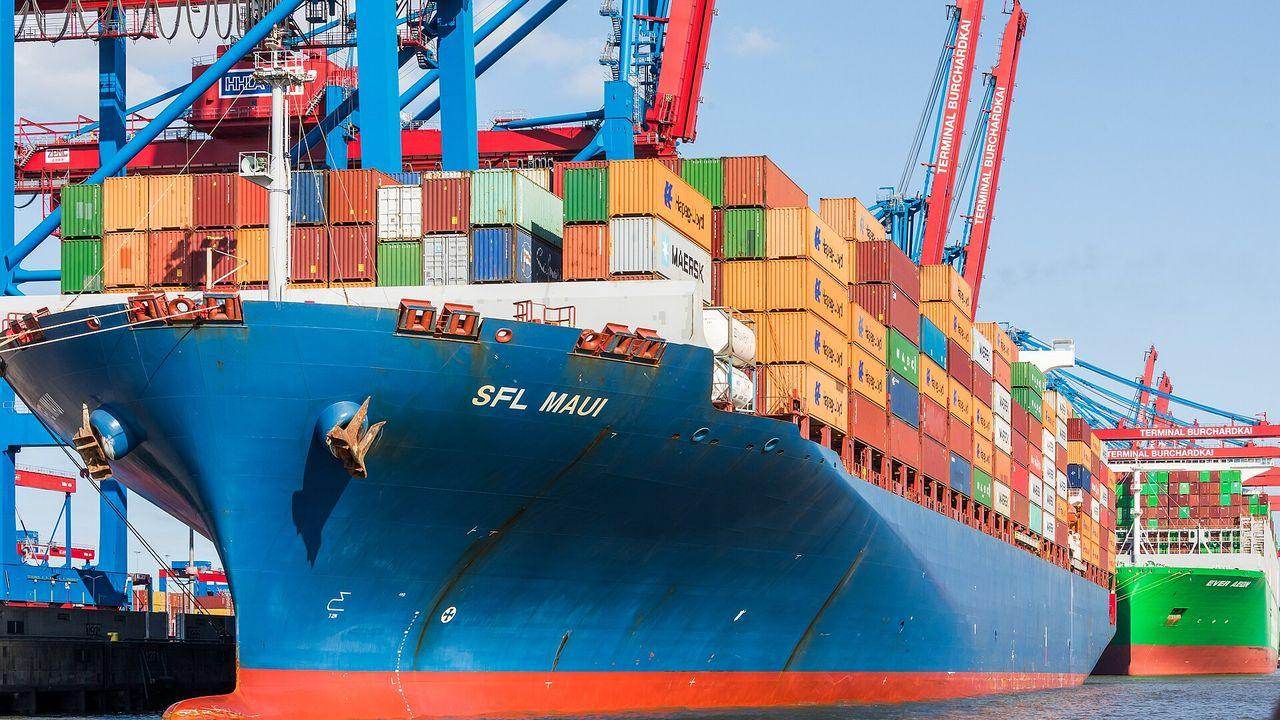
Raw cocoa beans carry the HS code 1801.00.00. This code underpins global customs statistics and tariff application, and is a mandatory field on cross-border trade documents.
Tariff structure
MFN rate: imports into China attract an 8% MFN tariff plus 13% VAT. The dutiable value is normally determined on a CIF basis (cost, insurance and freight).
FTA preferences: cocoa beans of ASEAN origin qualify for zero tariff with a Certificate of Origin (Form E). Malaysia, Indonesia and Vietnam all grow cocoa and are important regional suppliers. Tariff concessions under the RCEP framework are also worth monitoring.
Other markets: the EU generally applies zero tariff to cocoa bean imports, as does the United States. This means cocoa trade flows are driven largely by logistics costs and processing capacity location rather than tariff barriers.
Packing standards
The standard packing for cocoa beans is the jute bag — the internationally accepted traditional format, offering breathability, low cost and recyclability. Ghana’s standard bag weight is 64 kg; Côte d’Ivoire commonly uses 60–65 kg bags.
On container loading, a 20ft container holds about 12.5–13 tonnes (roughly 200 bags) and a 40ft container about 25 tonnes (roughly 400 bags). Because jute bags leave void space when stacked, actual payload depends on bag specification and stowage pattern.
Shipping and storage essentials
Moisture protection is paramount. Cocoa beans are highly hygroscopic. Temperature swings inside a container during ocean transit cause container rain, and cargo at the bottom of the stow is highly susceptible to damp and mould. Standard practice is to line the container with moisture barrier paper, add desiccants, and avoid shipping high-moisture lots during the rainy season.
Ventilation and stowage. Warehouses must be ventilated and stack heights kept moderate to avoid compaction and caking at the bottom. Ambient humidity should ideally be kept below 60%.
Pest control. Cocoa beans are prone to storage pests such as the Indian meal moth. Long-term storage requires periodic inspection and measures such as fumigation, with adequate aeration time before outbound dispatch.
Documentation
Cocoa bean imports typically require: commercial invoice, packing list, bill of lading, certificate of origin, phytosanitary certificate, health certificate, and the contractual quality inspection certificate (such as an ICCO grading report issued by SGS). Documentation consistency is the prerequisite for smooth customs clearance — description, code, quantity and weight must match the physical goods exactly.
The China market’s particularity
China currently has no cocoa futures contract. Domestic cocoa bean pricing references ICE futures plus differentials, lacking local price discovery and hedging instruments. This leaves domestic processors relatively exposed to price volatility, and makes tools such as cross-border warehouse receipt financing and basis pricing more relevant.

Key Figures
- HS code
- 1801.00.00
- China MFN tariff
- 8%
- VAT
- 13%
- Standard bag
- 64 kg (Ghana)
- 20ft container
- ~12.5–13 t
Want to know more?
Our team can provide detailed materials on cocoa bean spot, forward and warehouse receipt financing.