Markets
Three trading categories — grains, oils and fats, and tropical cash crops — with standardised contracts and agricultural derivatives for price and supply chain risk.
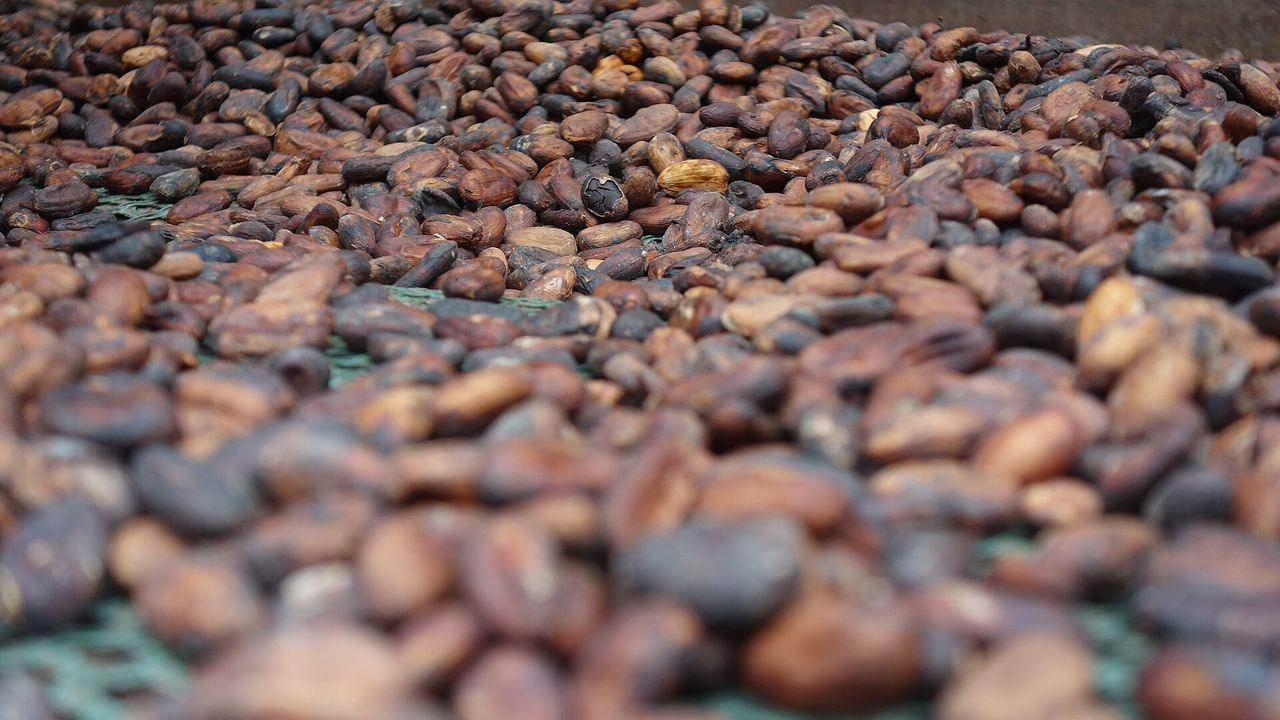
From Food Grains to Tropical Cash Crops
GCX covers the categories that dominate global agricultural trade: food grains, oils and fats, and tropical cash crops such as cocoa and rubber. Each is supported by standardised contracts, so that a lot can be described, priced and delivered in the same terms wherever the counterparty sits.
Standardisation is the precondition for everything else the Exchange does. It is what allows a buyer in one region to buy from a producer in another without renegotiating grades, units and packing on every transaction — and what allows the same lot to be financed against a warehouse receipt afterwards.
- Grains — the world’s principal food grains, traded on standardised contracts
- Oils & fats — palm oil, soybean oil and related products
- Tropical cash crops — cocoa, rubber and other origin-specific crops
Grains
The largest of the three categories by volume, and the most price-sensitive.
What the category covers
Covering the world’s principal food grains, the Exchange provides producers and traders with standardised trading contracts, supporting the efficient circulation of grain trade and price stability.
What it is used for
A producer or cooperative can reach buyers outside its own region; a trader or processor can secure supply in a defined grade and delivery period, then manage the resulting price exposure through the derivative contracts described below.
Oils & Fats
The category where the Exchange’s ASEAN base is most directly relevant.
What the category covers
Including palm oil, soybean oil and a range of other oils and fats. Drawing on ASEAN’s resource advantages, the Exchange has built a digital trading channel for the oils and fats industry chain.
What it is used for
Oils and fats move in large, standardised lots between producing regions and processing or consumer markets, which makes them well suited to contract trading, warehouse delivery and receipt-based finance.
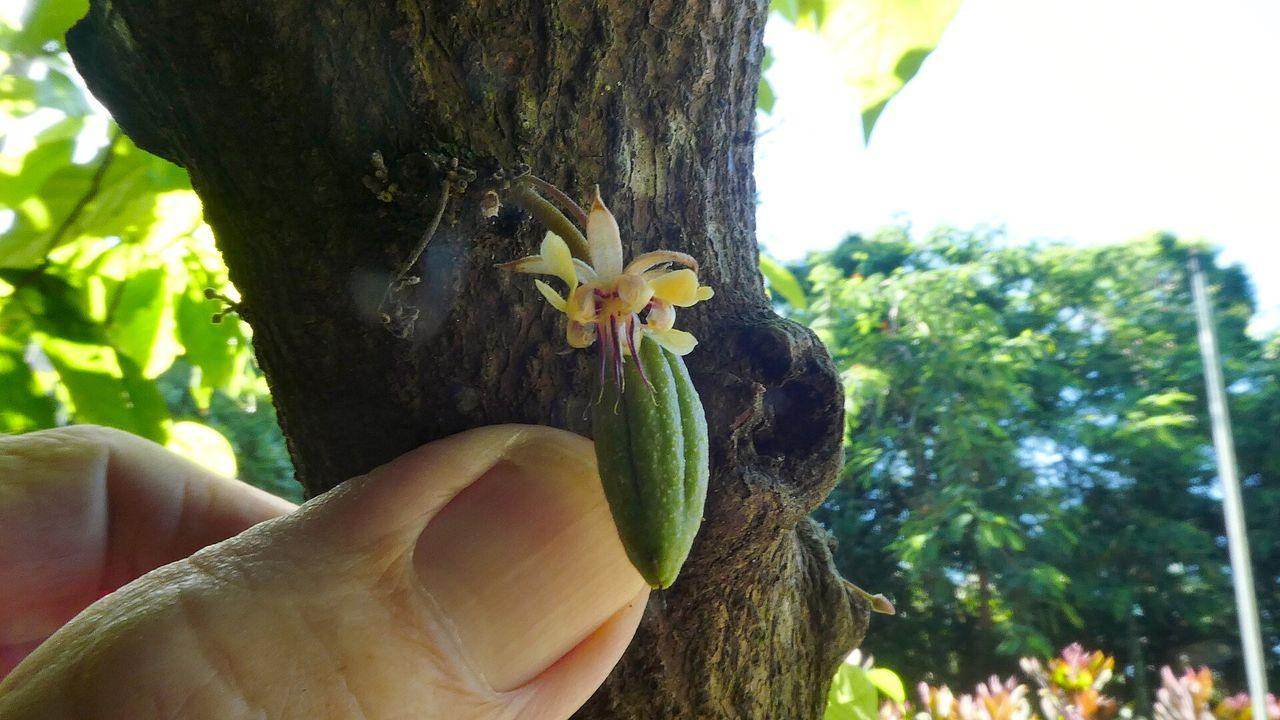
Tropical Cash Crops
Focused on cocoa, rubber and other distinctive tropical crops, the Exchange connects production areas in Asia and Africa with consumer markets worldwide, promoting the better allocation of these agricultural resources.
These crops are the reason the Exchange was founded under the Global Cocoa Exchange name. Cocoa in particular already trades against a public futures benchmark and a widely used quality grading system, so a physical lot can be described and valued in terms that both sides of a cross-border trade recognise.
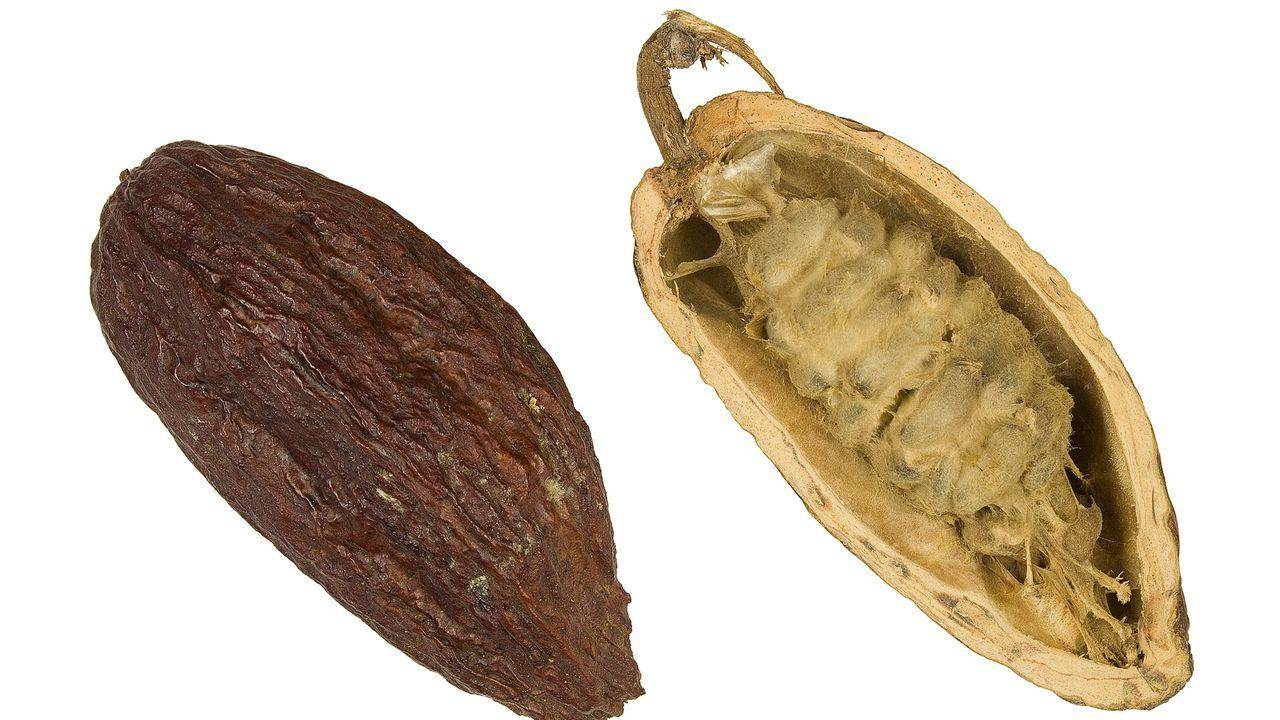
Cocoa beans at GCXCocoa Beans
The benchmark-referenced commodity at the centre of the Exchange’s name.
Cocoa beans are among the most heavily traded soft commodities. They carry a public futures benchmark, a mature quality grading system and standardised packing and shipping practice — the three things digital trading depends on.
- Pricing benchmark — ICE US Cocoa (CC), quoted in USD per tonne
- Contract size — 10 tonnes per lot, minimum tick USD 1 per tonne
- Quality grading — ICCO Grade I / II / III, with defined mould, defect and moisture limits
- Packing — jute bags, about 12.5–13 tonnes per 20ft container
- HS code — 1801.00.00
Reference Prices
Close of 2026-10-21, quoted from the relevant exchange. For reference only; not a GCX quotation and not trading advice.
| Product | Reference contract | Last | Change | Unit |
|---|---|---|---|---|
| Cocoa beans | ICE CC front month | 5,839.00 | +169.00 | USD/t |
| Coffee | ICE KC front month | 312.40 | +3.70 | US¢/lb |
| Sugar | ICE SB front month | 21.86 | -0.18 | US¢/lb |
| Soybean | CBOT ZS front month | 1,048.25 | +4.50 | US¢/bu |
| Palm oil | BMD FCPO front month | 4,215.00 | -47.00 | MYR/t |
| Natural rubber | TOCOM RSS3 | 189.60 | +4.30 | JPY/kg |
Agricultural Derivatives Services
Instruments for the risks that a spot trade cannot remove.
Price Risk Management Tools
Futures, options and other derivative contracts let agricultural enterprises lock in the price of their product and avoid the operating risk that comes with market price swings.
Supply Chain Risk Hedging
Derivative services hedge the uncertainty that arises in logistics, warehousing and other stages, keeping the agricultural supply chain running steadily and making trade more secure.
Market Trend Forecasting Support
Combining real-time data insight, the Exchange provides trading strategy guidance on derivatives, helping users capture market opportunities and improve risk management decisions.
ICCO Quality Grading
The grading system used to describe cocoa bean lots for trading and delivery.
| Parameter | Grade I | Grade II | Grade III |
|---|---|---|---|
| Mouldy beans | ≤ 3% | ≤ 4% | ≤ 6% |
| Slaty beans | ≤ 3% | ≤ 4% | ≤ 6% |
| Total defects | ≤ 3% | ≤ 6% | ≤ 8% |
| Moisture | ≤ 7.5% | ≤ 7.5% | ≤ 8.0% |
| Bean count | ≤ 100 / 100g | ≤ 110 / 100g | ≤ 120 / 100g |
Contract terms for each listed product are set out in the trading rules. Trading mechanics
Need contract specifications for a category?
Submit an inquiry and we will send the contract terms and delivery rules for the products you trade.