What Blockchain Traceability Really Does in Agricultural Trade — and Its Limits
Blockchain in agricultural trade addresses “record trust” — document flow, receipt title and batch tracing. It cannot replace inspection, warehousing or physical delivery.
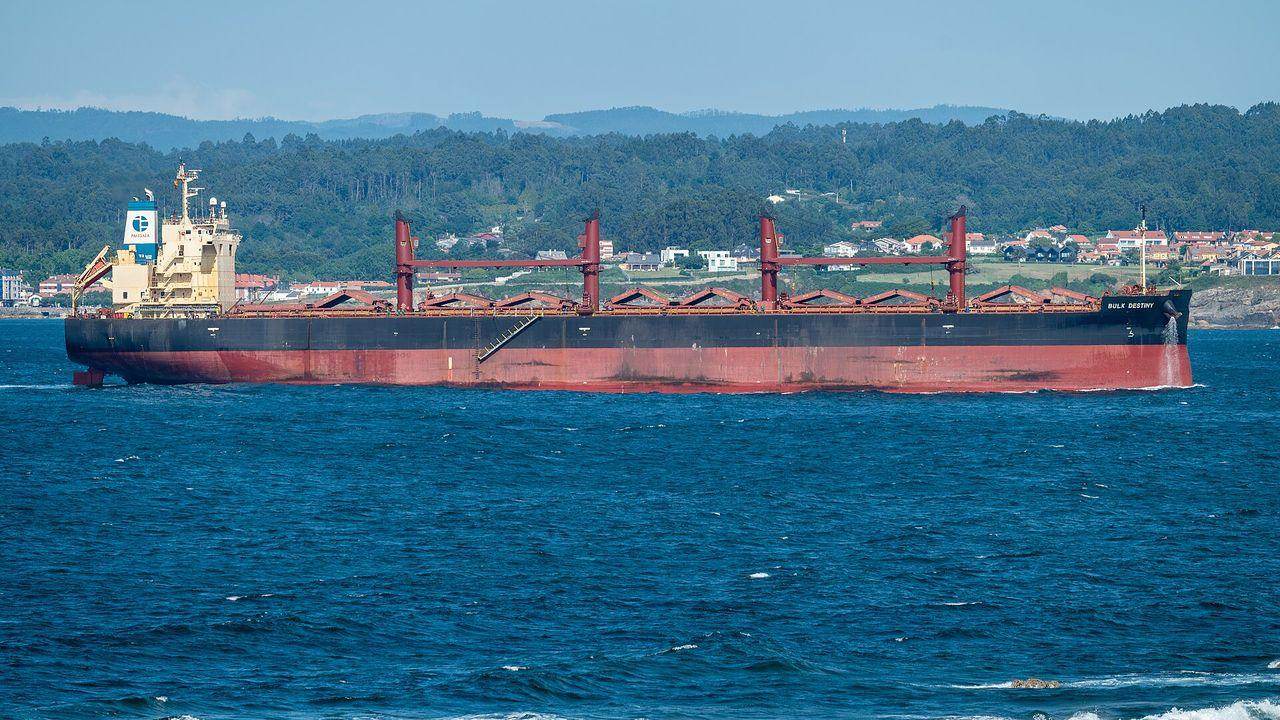
Blockchain features heavily in marketing for agricultural trade platforms, but its practical boundaries — what it can and cannot do — are fairly clear.
Real problems it solves
Document trust. Traditional cross-border agricultural trade involves invoices, bills of lading, inspection certificates and certificates of origin, flowing among multiple parties where forgery, double pledging and inconsistent information are common. Hashing key documents on-chain achieves “a document can only be used once” verification, reducing double-financing risk.
Receipt title and transfer. A warehouse receipt is proof that a warehouse has taken custody of goods, and serves as collateral for financing. Registering receipts on-chain records the full state transition of issuance, transfer, pledge and cancellation, preventing the same goods from being financed multiple times through multiple receipts. This is blockchain’s most practically valuable use case in trade finance.
Batch tracing. From origin purchase, port consolidation, ocean freight, warehousing to outbound delivery, each step records batch numbers and key parameters (grade, moisture, weight). In a quality dispute, the problem stage can be located quickly.
Problems it does not solve
It cannot verify physical quality. A “Grade I” record on-chain is only entered information. Whether the beans actually are Grade I still depends on sampling and the professional judgement of the inspecting body. Blockchain guarantees that “the record has not been tampered with”, not that “the record is true” — the industry’s familiar garbage-in, garbage-out problem.
It cannot replace warehouse supervision. The authenticity of a receipt ultimately depends on whether the warehouse actually received the stated quantity. If the warehouse and the owner collude to issue a false receipt, a perfect on-chain record makes no difference. Third-party warehouse supervision and physical stock audits remain indispensable.
It cannot eliminate counterparty credit risk. Smart contracts can automatically execute “payment on delivery” terms, but if the payer’s funds do not exist, execution still fails. The essence of credit risk is solvency, not execution efficiency.
Warning signs in the industry
When a platform repeatedly emphasises “blockchain traceability” and “smart contract settlement” but cannot provide: warehouse addresses, the name of the inspecting body, on-chain contract addresses with transactions verifiable in a block explorer, or settlement account details at a partner bank — those technical terms are most likely marketing language.
Platforms that have genuinely implemented on-chain attestation are usually happy to publish their chain addresses, because verifiability is the selling point. Conversely, a platform that only prints the word “blockchain” on a marketing page while no corresponding record can be found in any block explorer warrants serious caution.
Conclusion
Blockchain is a useful tool for digitising agricultural trade, particularly for receipt title and document anti-forgery. But it is a “record layer” technology that does not change the fundamentals of the “physical layer” or the “credit layer”. Judging whether a platform actually uses it is simple: ask for the chain address and look it up in a block explorer.
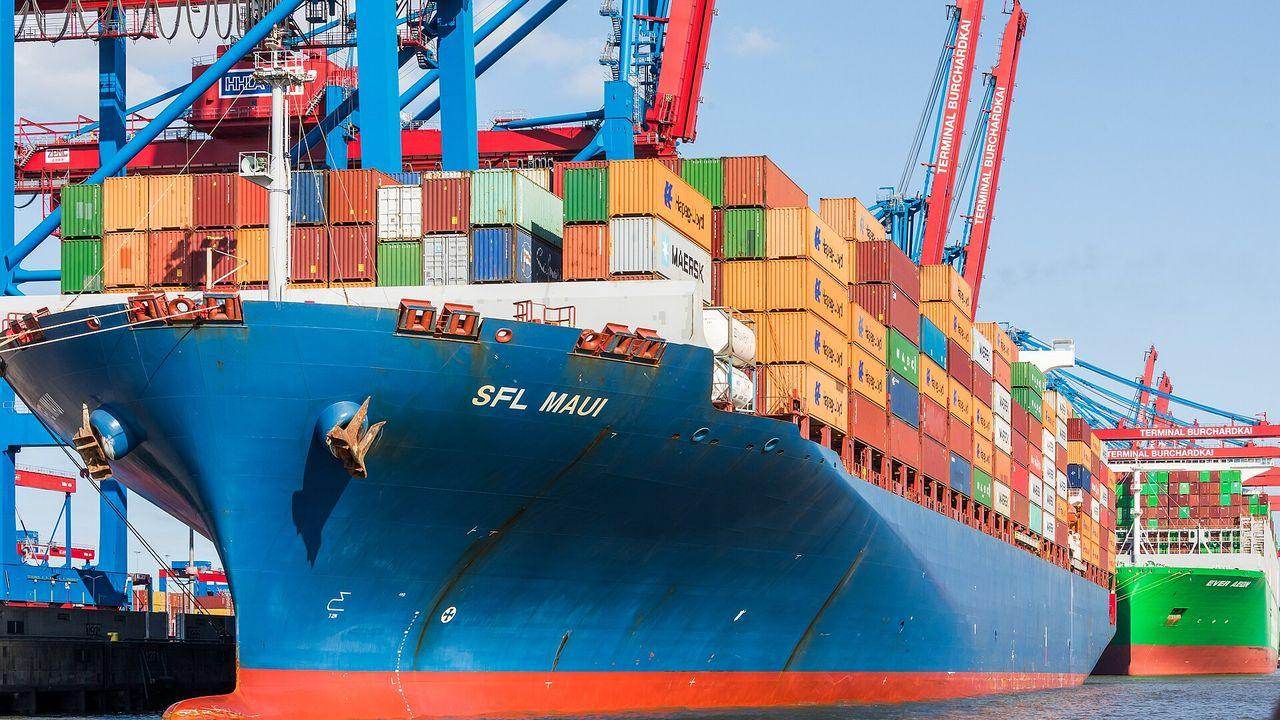
Key Figures
- Core value
- Document anti-forgery · Receipt title
- Cannot replace
- Inspection · Warehouse supervision
- Verification
- On-chain address lookup
- Key risk
- Garbage in, garbage out
Want to know more?
Our team can provide detailed materials on cocoa bean spot, forward and warehouse receipt financing.